
Writing for Wellbeing
Way before Psychology had a name for it

Caroline Rance and I come to She Wrote Too from rather different professional backgrounds, despite us both emerging from the Buckinghamshire grammar school system. Those different careers shape the way we read literature and the questions we ask of it.
Caroline is fascinated by the historical lives of writers and the worlds they inhabited - as well as many other interesting things! Working with Caroline has given me an awareness of the enormous impact that medicine, science and healthcare development has had on society and the attitudes that we have as a result - and the role that women played within that. You can read more about one of her specialisms here.
I am particularly interested in writing as a way of exploring ideas and the sense of self: the stories we accept, reject, create and re-write throughout our lives. One question I find endlessly fascinating is whether women have been using writing to understand themselves long before psychology had a name for what they were doing.
Looking back through history, we can recognise many of the psychological benefits of writing in women’s lives long before psychology developed the language of wellbeing, resilience and self-awareness. Women wrote for many reasons – for religious devotion, remembrance, creativity, friendship and self-examination – but in doing so they often created a space in which to think, reflect and make sense of their experiences.
I could give hundreds of years of examples.
Medieval women treasured Books of Hours and prayer books. Some surviving copies contain personal inscriptions, prayers and annotations that reveal glimpses of individual hopes, losses and everyday lives. Nuns kept spiritual journals as a way of exploring their relationship with God.
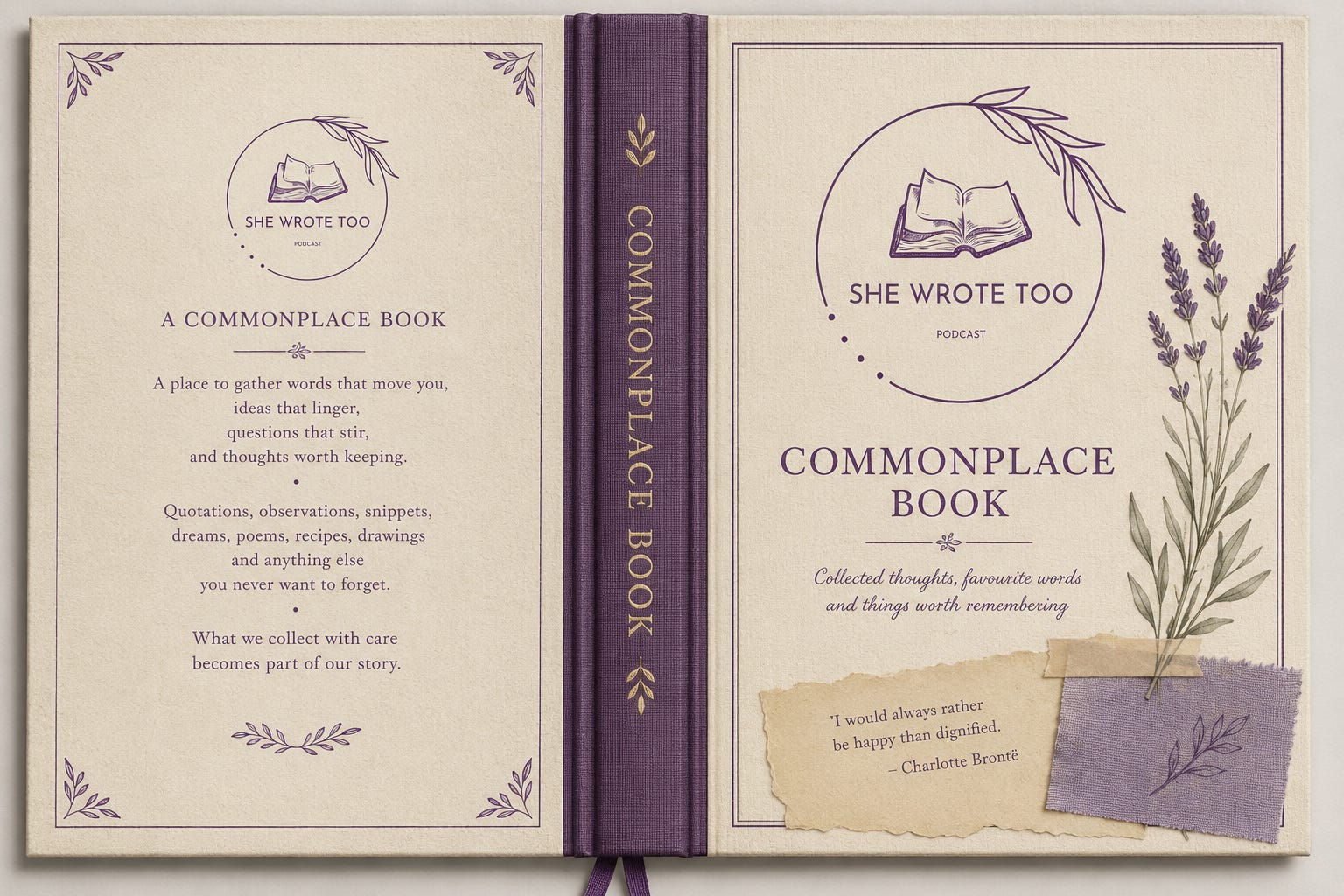
By the eighteenth century, many women were compiling commonplace books: collections of quotations, poems, observations, recipes and ideas worth remembering. They were not diaries but repositories of thought.
I have always loved the idea of a commonplace book. In fact, I keep one myself, mainly so that I don’t forget something I’ve read or heard that has particular meaning or inspiration. It is a practice I thoroughly recommend. There is something wonderfully reassuring about knowing that an idea which moves you today will still be waiting for you years later.
Letters, too, became a form of emotional processing and intellectual friendship. We are often disappointed when we discover that a family member destroyed someone’s correspondence after their death because we long for that insight into another person’s inner world. Of course, that is often precisely what the writer never intended to share.
During the Victorian period, many women kept diaries that became one of the few places where they could think privately and honestly. Living under the cultural ideal of The Angel in the House, many had little personal space of their own. A diary could become a small room of the mind: somewhere to process experience, frustration, joy and ambition.
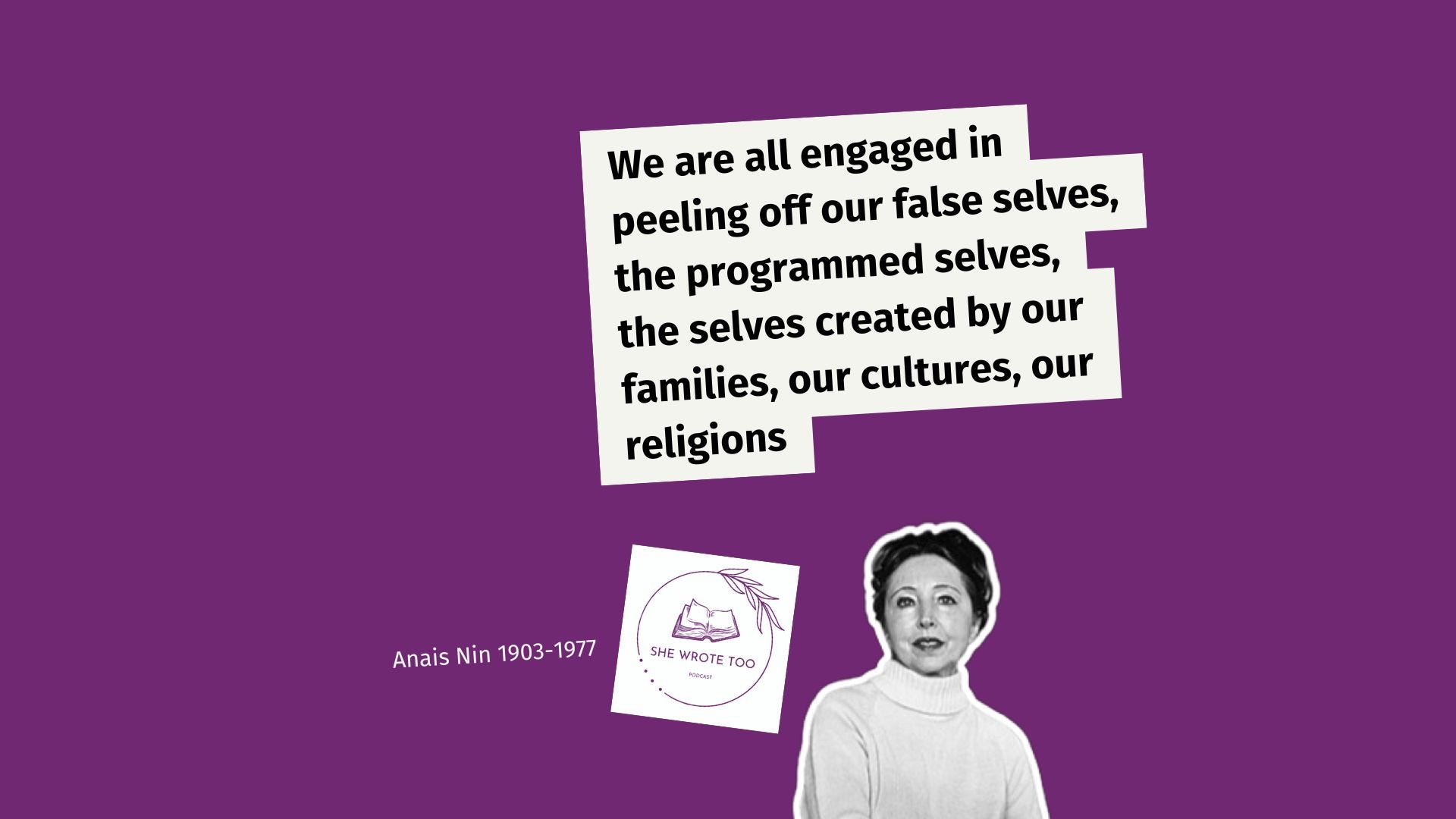
Writers such as Virginia Woolf, Katherine Mansfield and Anaïs Nin used journals not simply to record events but to deepen their understanding of themselves. Their notebooks became workshops for thought as much as records of daily life.
Modern psychology now recognises the benefits of expressive writing through researchers such as James Pennebaker, while journalling has become a widely used therapeutic practice. I personally start to feel a bit weird if I haven’t written in my journal for a while. I am also quite a fan of Julia Cameron’s Morning Pages from The Artist’s Way. She advocates three pages of free writing every morning with no editing or judgement, allowing the inner artist to emerge. Although Cameron approaches it from a creative perspective, the process serves a remarkably similar purpose to those earlier writing practices: making space to think, reflect and process life on the page.
Perhaps writing has always done more than simply record our lives. Every time we write, we make choices about the story we are telling ourselves. A diary is never simply a catalogue of events; it is a record of attention. What we choose to notice today often becomes the story we remember tomorrow.
These are only a handful of examples.
Dorothy Wordsworth (1771–1855)
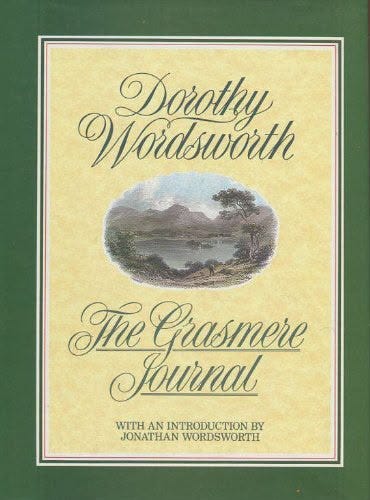
Her Grasmere Journals are among the finest works of nature writing in English. William Wordsworth drew heavily upon Dorothy’s observations, although for many years her own literary contribution was overshadowed by his fame.
Virginia Woolf (1882–1941)
Woolf’s diaries reveal the creative process behind some of the twentieth century’s greatest novels. They also document her reflections on writing, friendship, art and her struggles with mental health.
Katherine Mansfield (1888–1923)
Her journals are extraordinary reading for anyone interested in creativity. They reveal an intensely self-aware writer wrestling with illness, artistic ambition and the discipline of her craft.
Anaïs Nin (1903–1977)
Perhaps the twentieth century’s best-known introspective diarist, Nin’s journals became a lifelong exploration of identity, creativity, relationships and the unconscious.
The diarists who became famous have often been remembered for documenting great historical or political events. Samuel Pepys is perhaps the best-known example. Much has been said and written about him and She Wrote Too is not the place for that. Women’s journals, where they survived at all, have more often been valued for the remarkable insight they offer into domestic life, creativity, relationships and consciousness. That is, of course, a broad tendency rather than an absolute distinction, but it is an interesting one.
How do you use writing in your own life?
If you’ve never thought about it before, try recalling the last five things you wrote. A text message. A shopping list. A WhatsApp. A Post-it note. Perhaps, if you’re particularly industrious, a bestselling novel.
What do those pieces of writing reveal? Not simply about what you did today, but about what mattered enough for you to write it down.
Perhaps women have always known that writing is about more than preserving the past. Sometimes it is how we discover who we are becoming. Psychology may have given us new language for that process, but women have been putting pen to paper for centuries.